Reporoa
Solar Farm
Overview
48 MWh
Battery energy storage capacity with 2.2 hours duration
9,100 homes
Annual energy supply equivalent
37.5 MWdc
Peak Power
57,820 panels
Powering the project
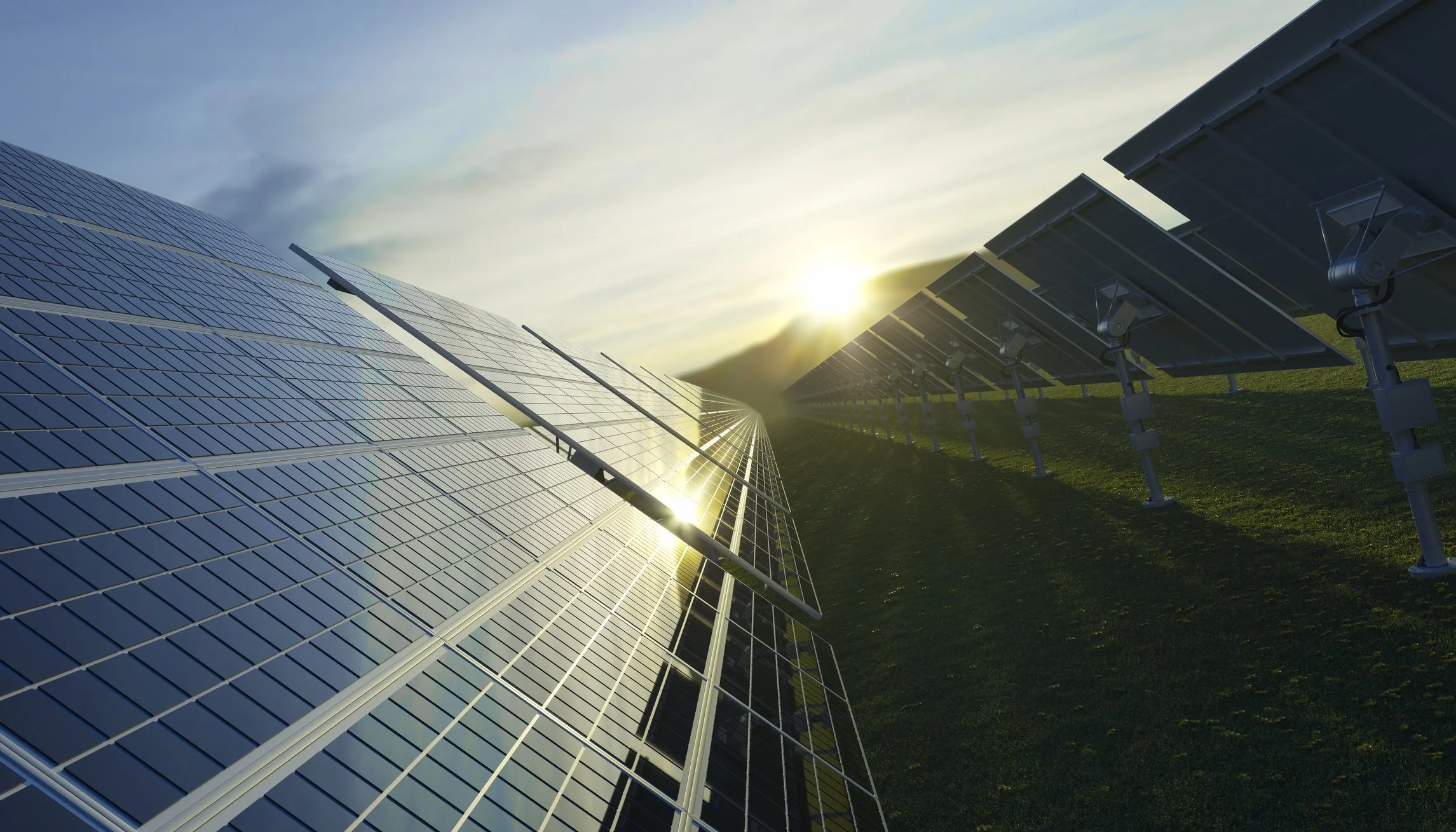
Reporoa solar farm is a clean energy project proposed in Reporoa Bay of Plenty that seeks to combine a solar farm with the Tumunui Lands Trust’s sheep dairy farming operation.
Tumunui Lands Trust named the site ‘Tumunui-o-te-rā Reporoa Solar’ to acknowledge the important role this site serves as a key foundation that will anchor Te Kupenga a Māui (Māui’s Net) to harness the fullness of the sun’s energy to generate clean, renewable electricity that will power local homes, industries, and communities.
Reporoa solar farm reflects Kākāriki Renewables’ commitment to environmental stewardship (kaitiakitanga), energy resilience, innovation and strong local partnerships to deliver shared value and long-term benefits for the Bay of Plenty region and future generations.
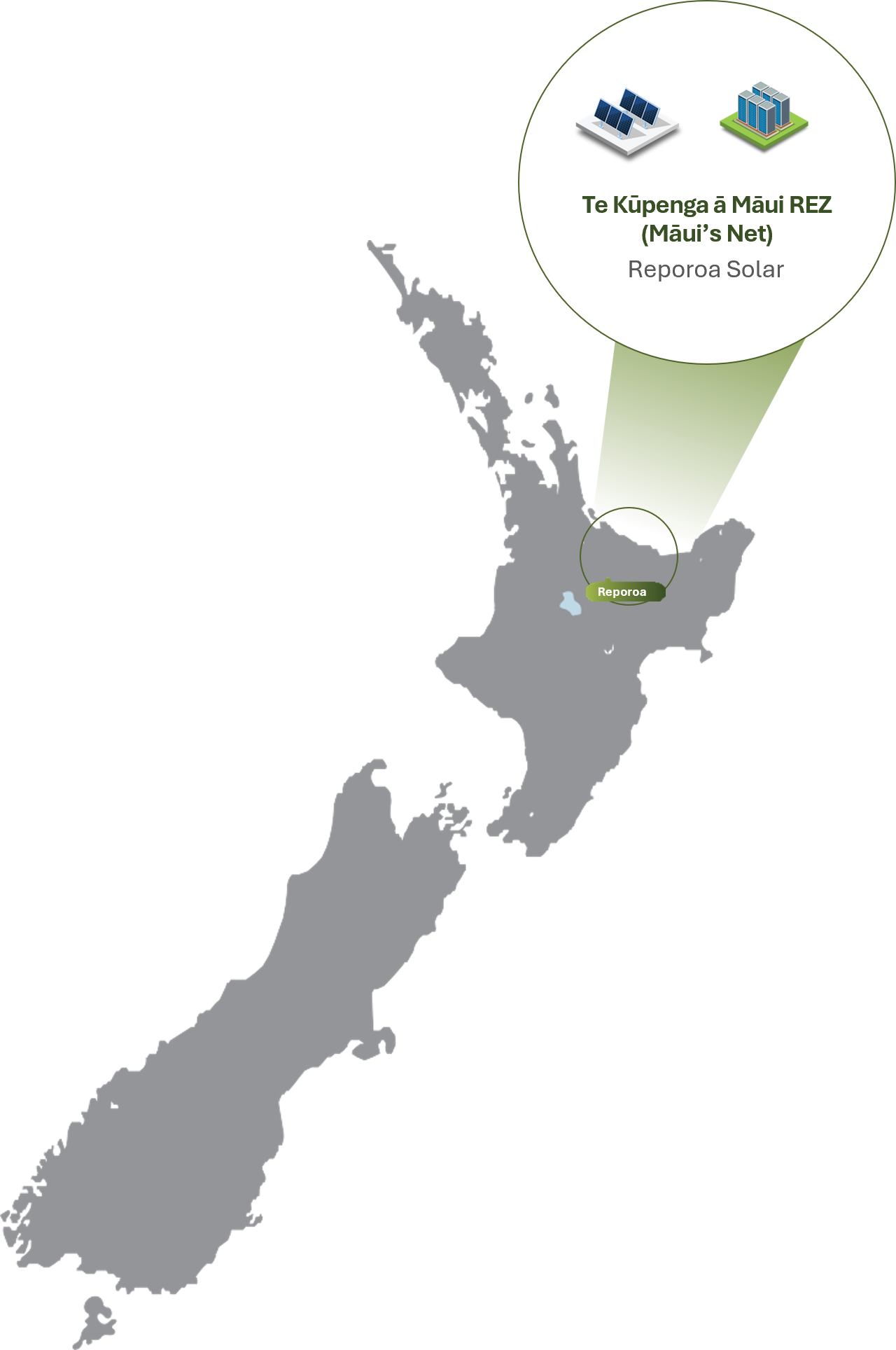
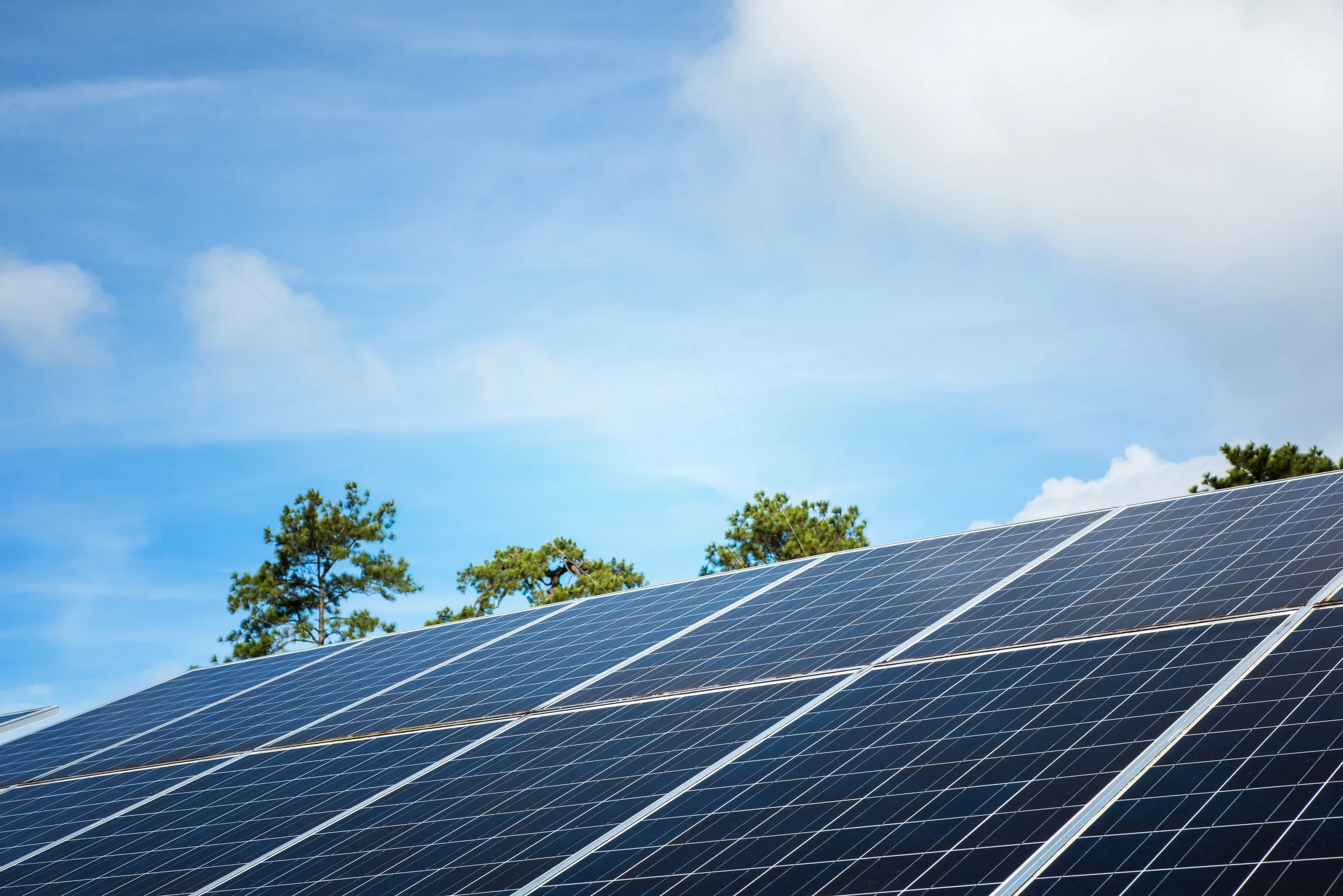
Reporoa solar farm is a planned 37.5-megawatt solar farm and battery project on a 73-hectare block at Reporoa, 37kms south of Rotorua.
Strong solar resource: 1,712.6 kWh/m²/year GHI
Ideal terrain: Flat land, minimal earthworks, national road access
Land classification: Predominantly LUC 3 & 4 – arable with significant to moderate limitations to crop type, though suitable for certain tree crops and forestry
Energy Impact:
• 57,820 panels generating up to 64.366 GWh/year
• Enough to power over 9,100 homes across Aotearoa
• Battery system designed to support grid stability and firm supply for local industries
Tumunui-o-te-rā is more than a solar project - it's a commitment to kaitiakitanga and shared prosperity for future generations. We look forward to sharing this journey with the Tumunui Lands Trust, and all our partners alongside us.
Location