
O Tu Pokai
Solar Farm & Battery Energy Storage System
O Tu Pokai
Solar Farm with Battery Energy Storage System
Overview

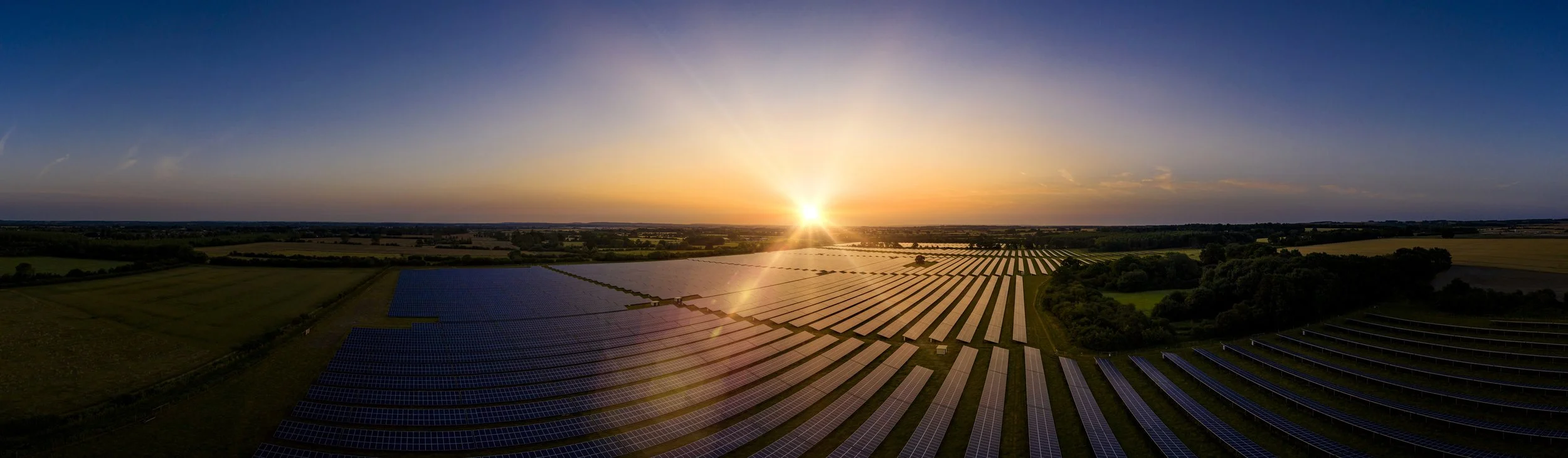
O Tu Pokai (formerly Awakeri) is a proposed 56-megawatt (MW) solar energy project with an integrated 56 MW / 200 MWh battery energy storage system (BESS) located near the Whakatāne River in the Bay of Plenty. Designed to harness the sun’s abundant energy, the project will generate clean, renewable electricity to power homes, industry, and communities across Aotearoa.
O Tu Pokai represents more than just generation - it reflects a commitment to environmental stewardship, energy resilience, and strong local partnerships. The project aims to deliver shared value and long-term benefits for the Bay of Plenty region and beyond.
56 MW
Peak power
104.1 GWh
Annual generation capacity
14,900 homes
Annual energy supply equivalent
86,200 solar panels
Powering the project
200 MWh
Battery Energy Storage capacity
Location
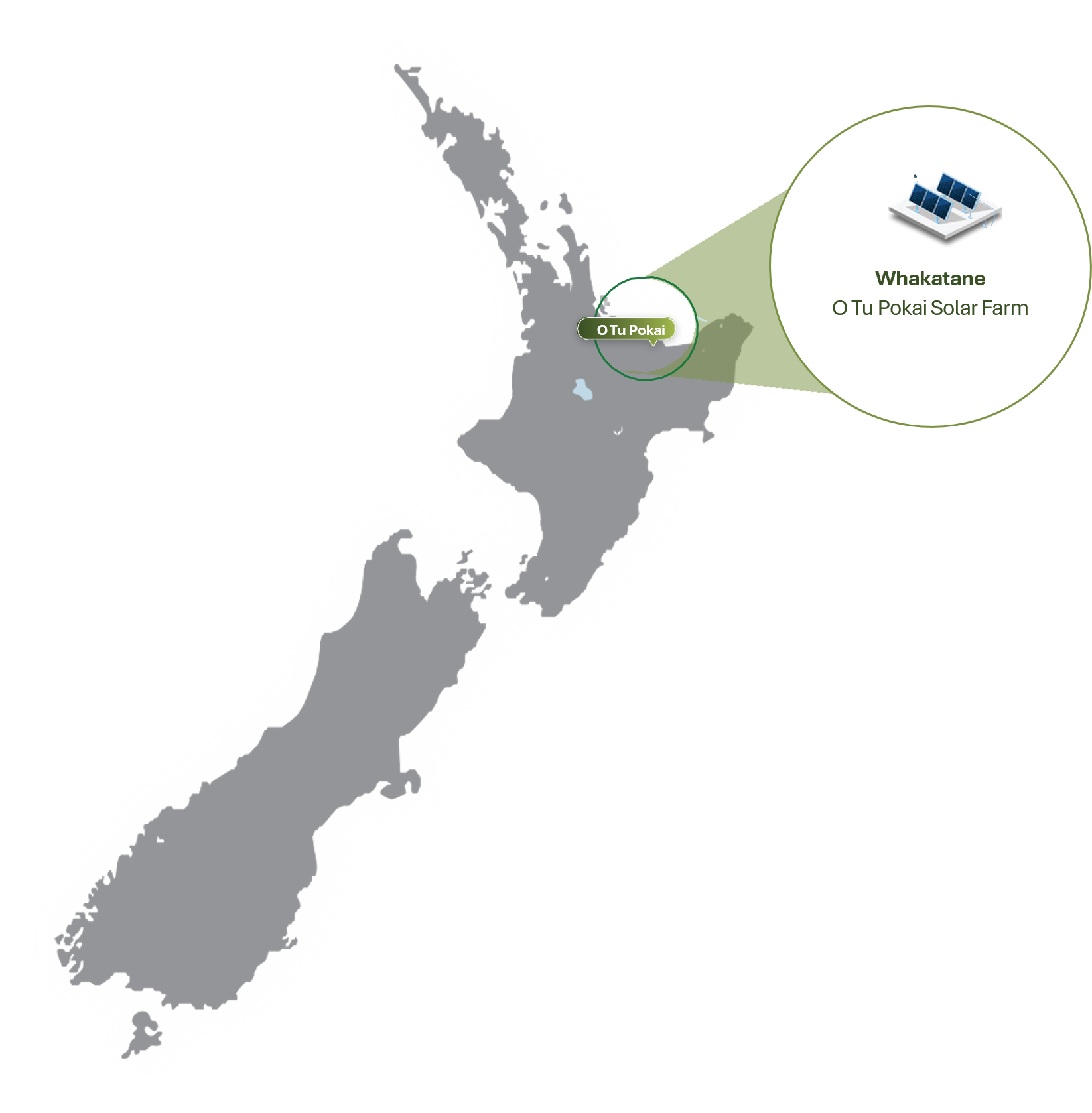
O Tu Pokai is a proposed 56-megawatt (MW) solar farm located near the Whakatāne River in the Bay of Plenty, an area known for its excellent sunshine and strong community ties.
The project will harness Te Rā (the sun) to deliver clean, renewable electricity and create lasting environmental, economic, and cultural benefits for Aotearoa.
Strong solar resource: 1,543 kWh/m²/year GHI Ideal terrain: Flat land, minimal earthworks, national road access Land classification: Predominantly LUC 7 – low-value for agriculture, high potential for solar Energy Impact:
86,200 panels generating up to 104.1 GWh/year
Enough to power over 14,900 homes across Aotearoa
O Tu Pokai is more than just a solar farm — it represents a commitment to kaitiakitanga, renewable energy, and shared prosperity. Together with mana whenua, local communities, and our partners, we are building an energy legacy for generations to come.