
Ngā Hihi Kānapanapa
Solar Farm with Battery Energy Storage System
Overview
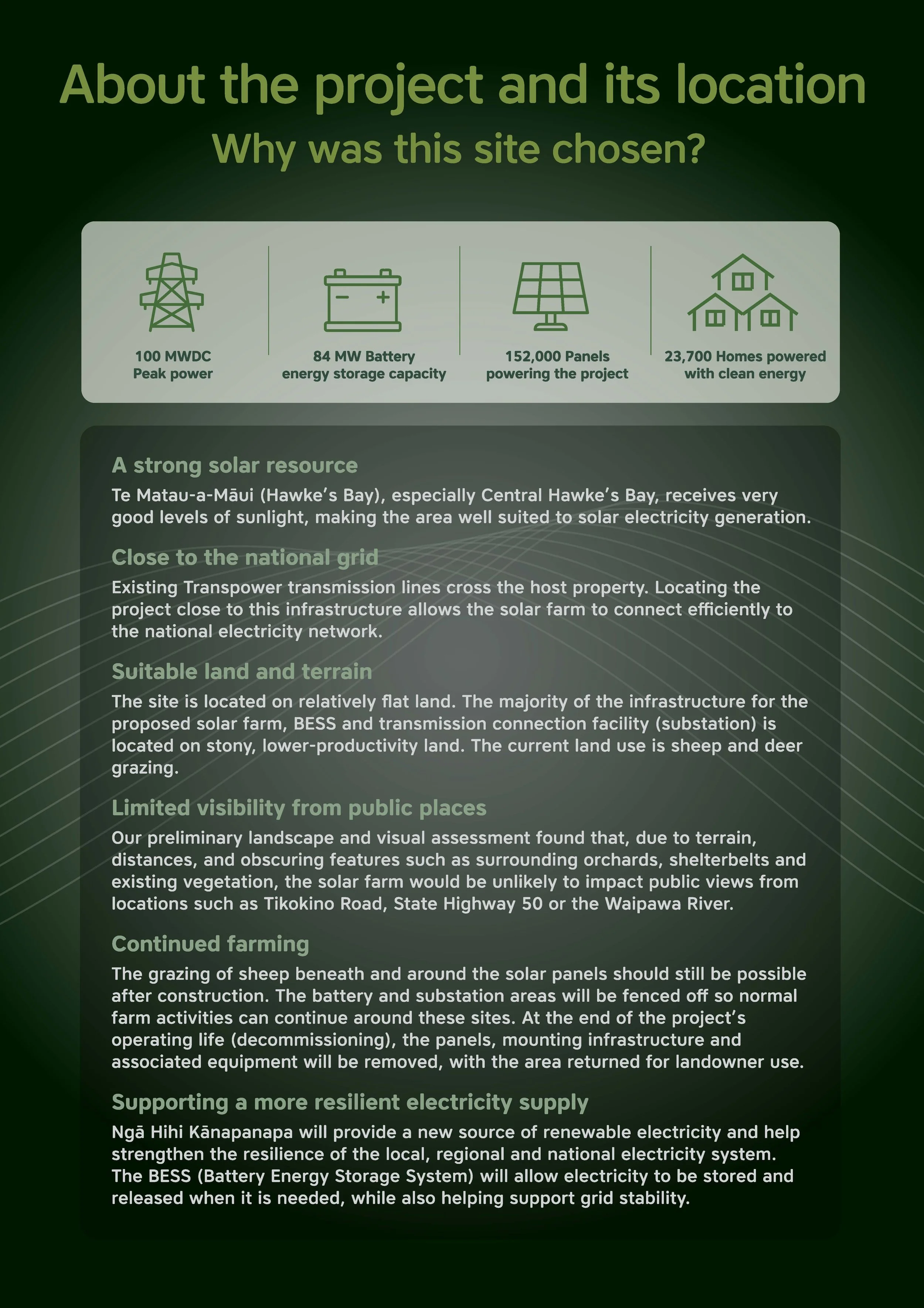
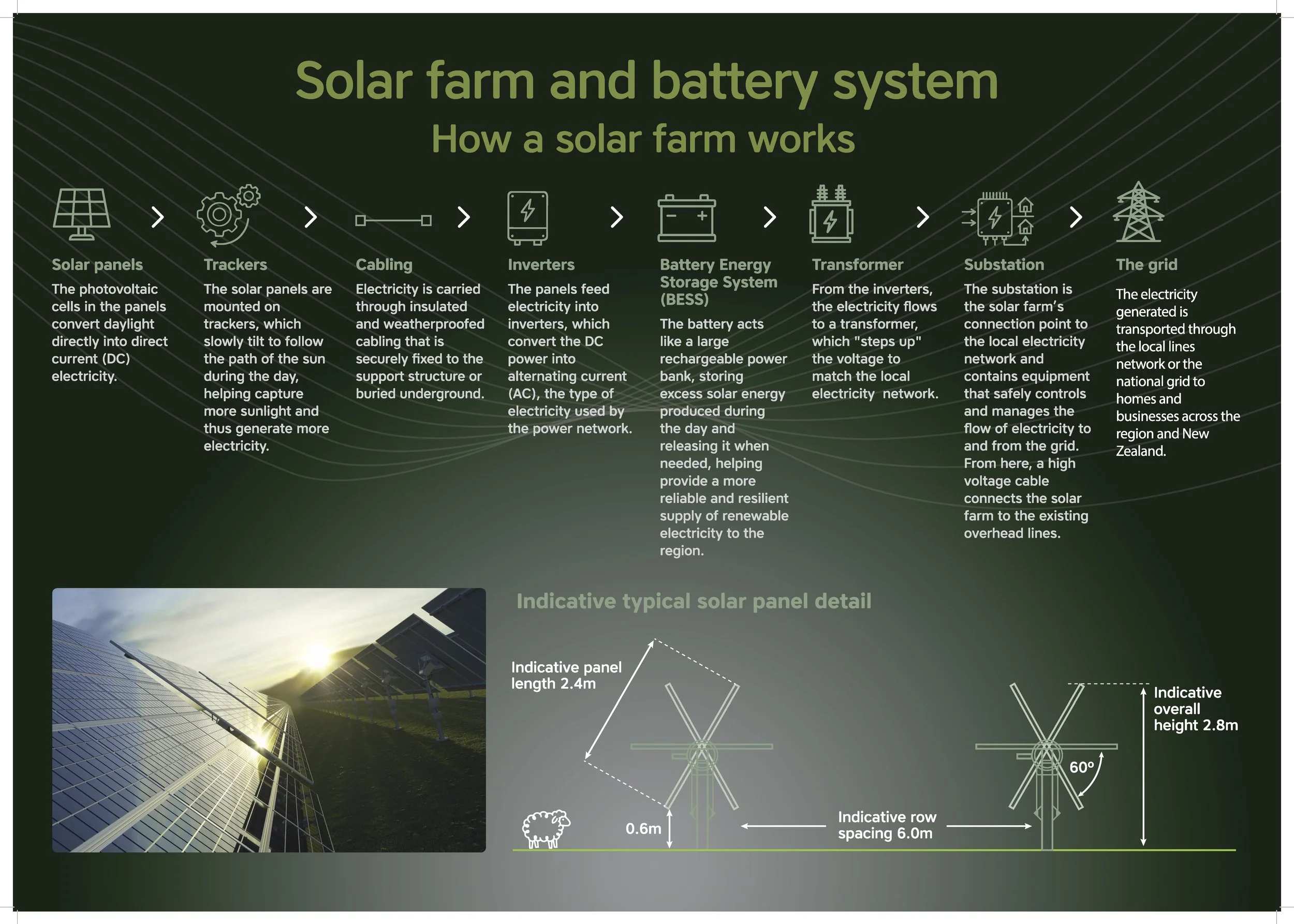
Ngā Hihi Kānapanapa is a proposed 100-megawatt (MW) solar energy project with an integrated 84 MW / 308 MWh battery energy storage system (BESS)project located in the central North Island. Designed to harness the sun’s abundant energy, the project will generate clean, renewable electricity to power homes, industry, and communities across Aotearoa.
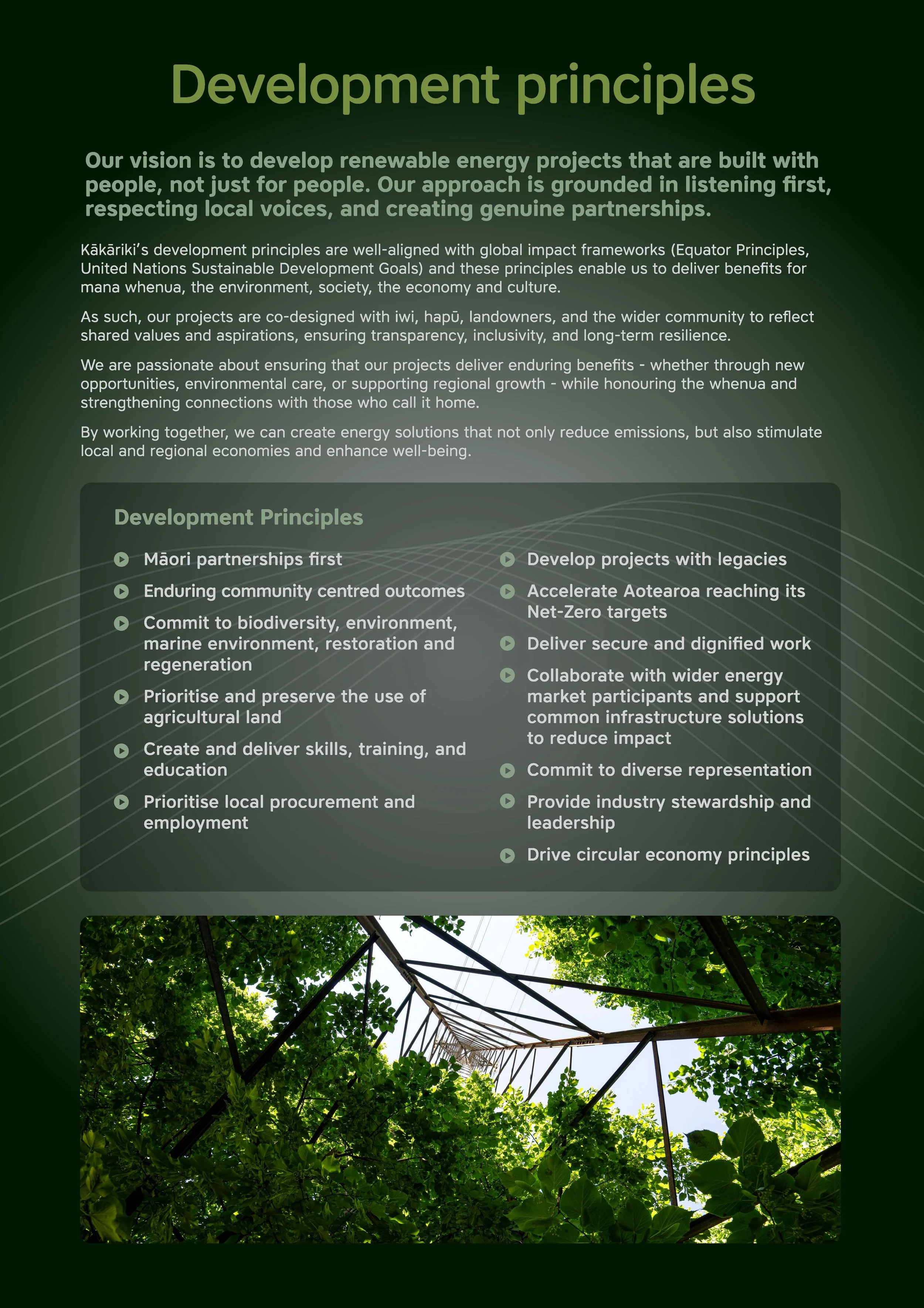
More than just generation, Ngā Hihi Kānapanapa reflects a commitment to environmental stewardship, energy resilience, and strong local partnerships. The project aims to deliver shared value and long-term benefits for the region and for future generations.
100 MW
Peak power
84 MW
Battery Energy Storage capacity
175.1 Gwh
Annual generation capacity
25,000 homes
Annual energy supply equivalent
153,800 panels
Powering the project

Location
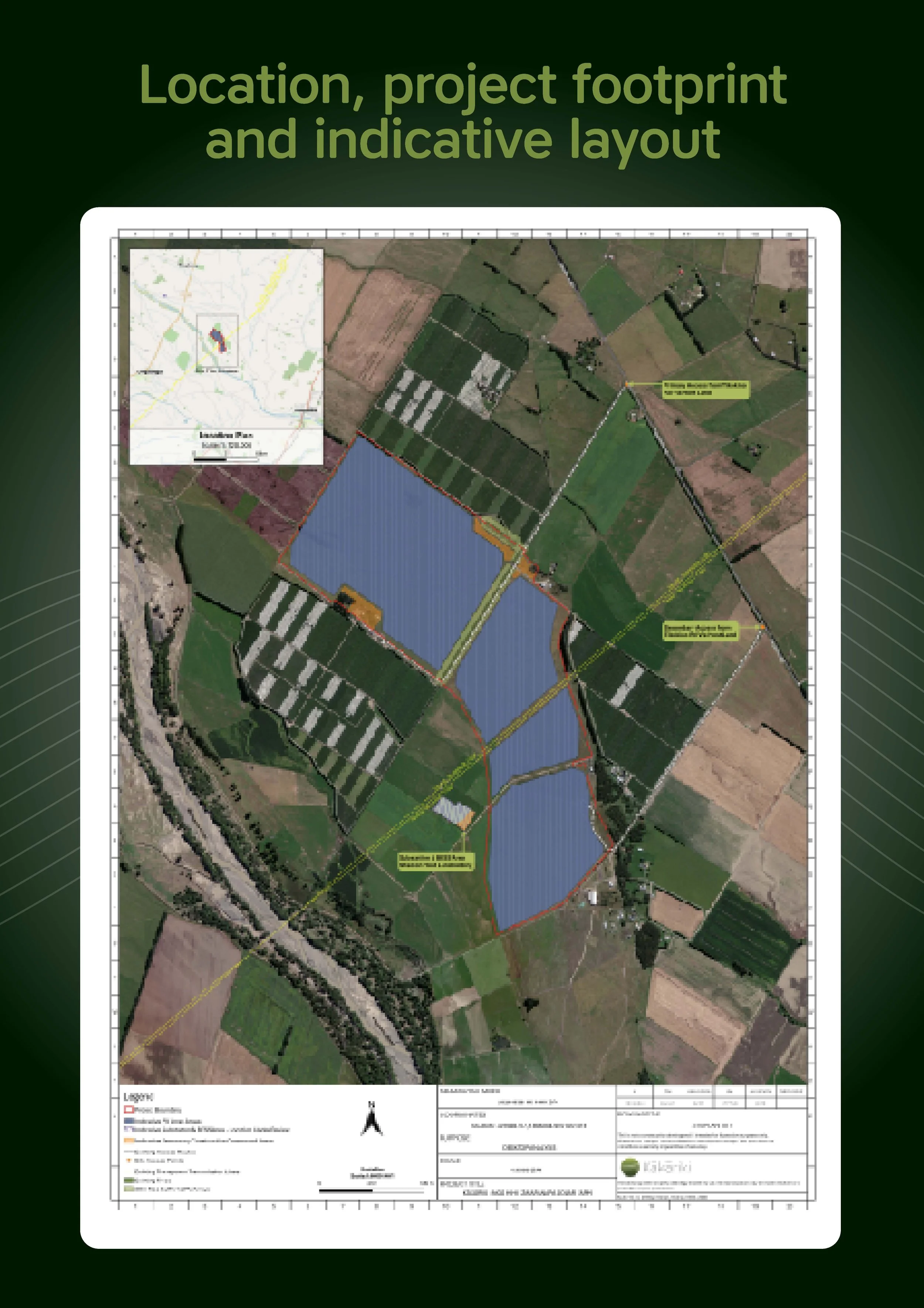
Ngā Hihi Kānapanapa is a proposed 100-megawatt (MW) solar farm and battery project located on a 160-hectare block of land, 40 km southwest of Hastings in the sunny heart of Te Matau-a-Māui (Hawke’s Bay).
The project has been named in recognition of the energy of Te Rā (the sun) and the potential of this whenua to support a cleaner, more sustainable energy future for Aotearoa.
Strong solar resource: 1,544 kWh/m²/year GHI Ideal terrain: Flat land, minimal earthworks, national road access Land classification: Predominantly LUC 7 – low-value for agriculture, high potential for solar Energy Impact:
153,800 panels generating up to 175.1 GWh/year
Enough to power over 25,000 homes across Aotearoa
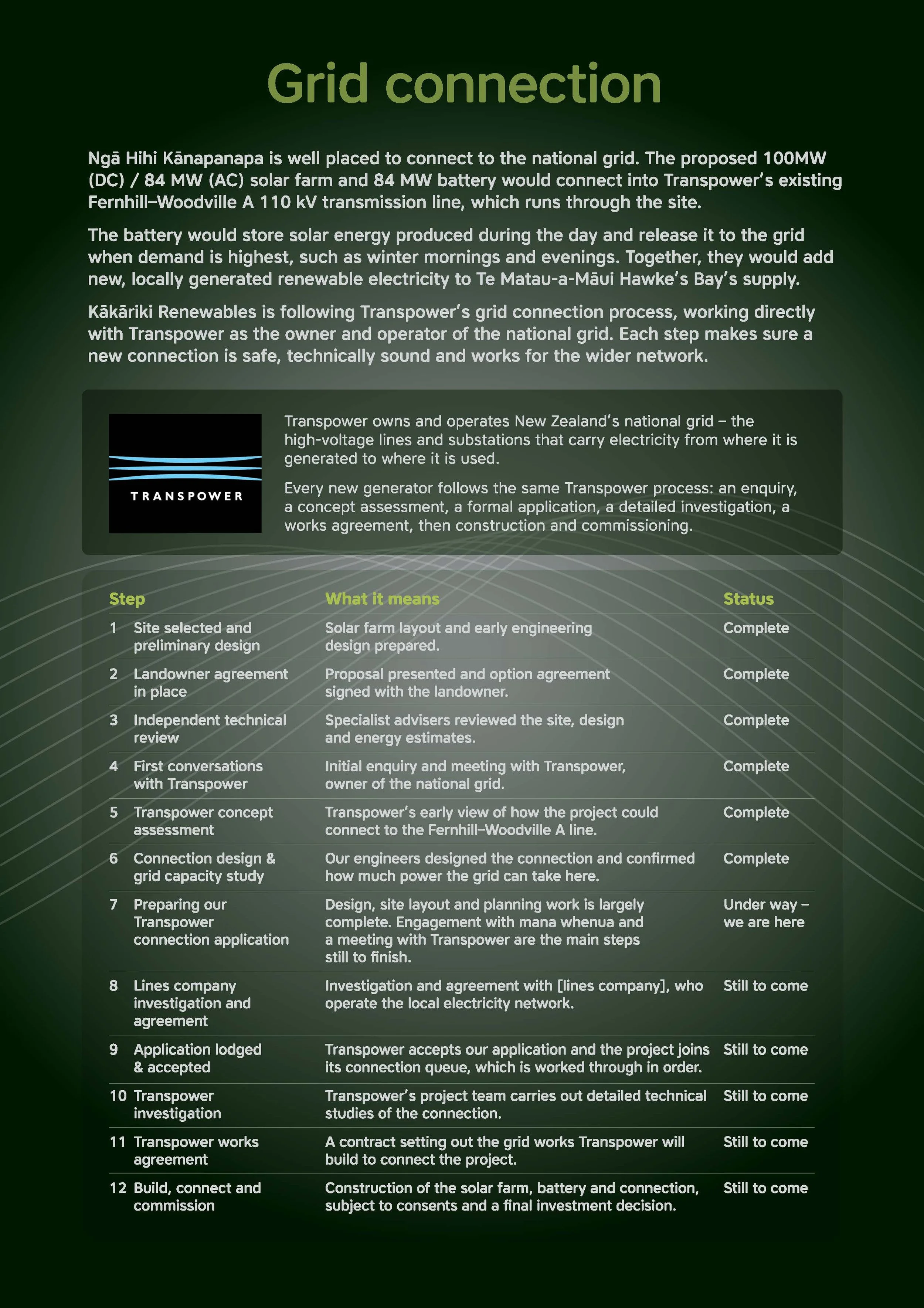
Battery system designed to support grid stability and firm supply
Ngā Hihi Kānapanapa is more than a solar project - it's a commitment to kaitiakitanga, clean energy, and shared prosperity. We look forward to walking this journey together, with mana whenua, communities, and partners by our side.
Information Session #1
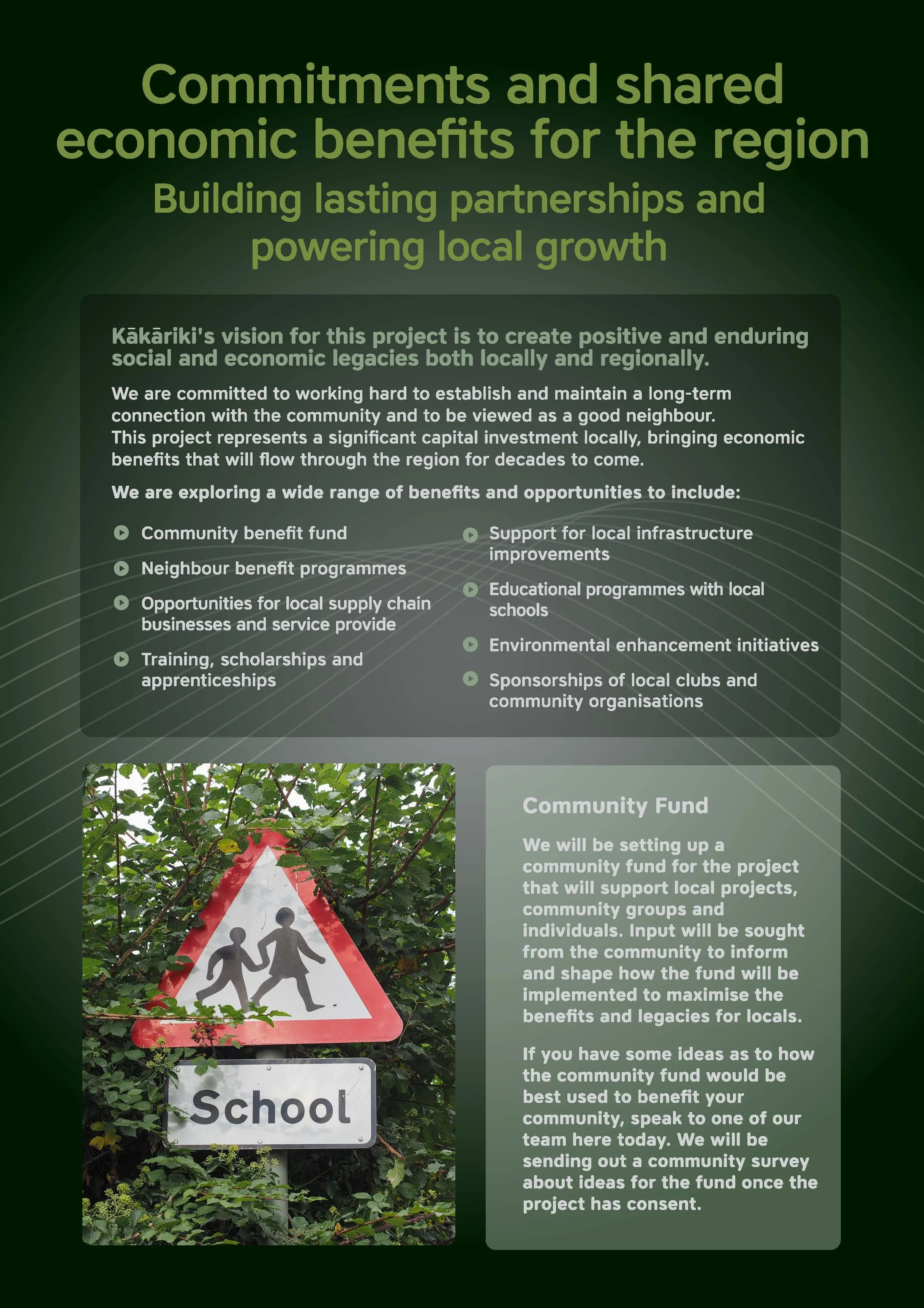
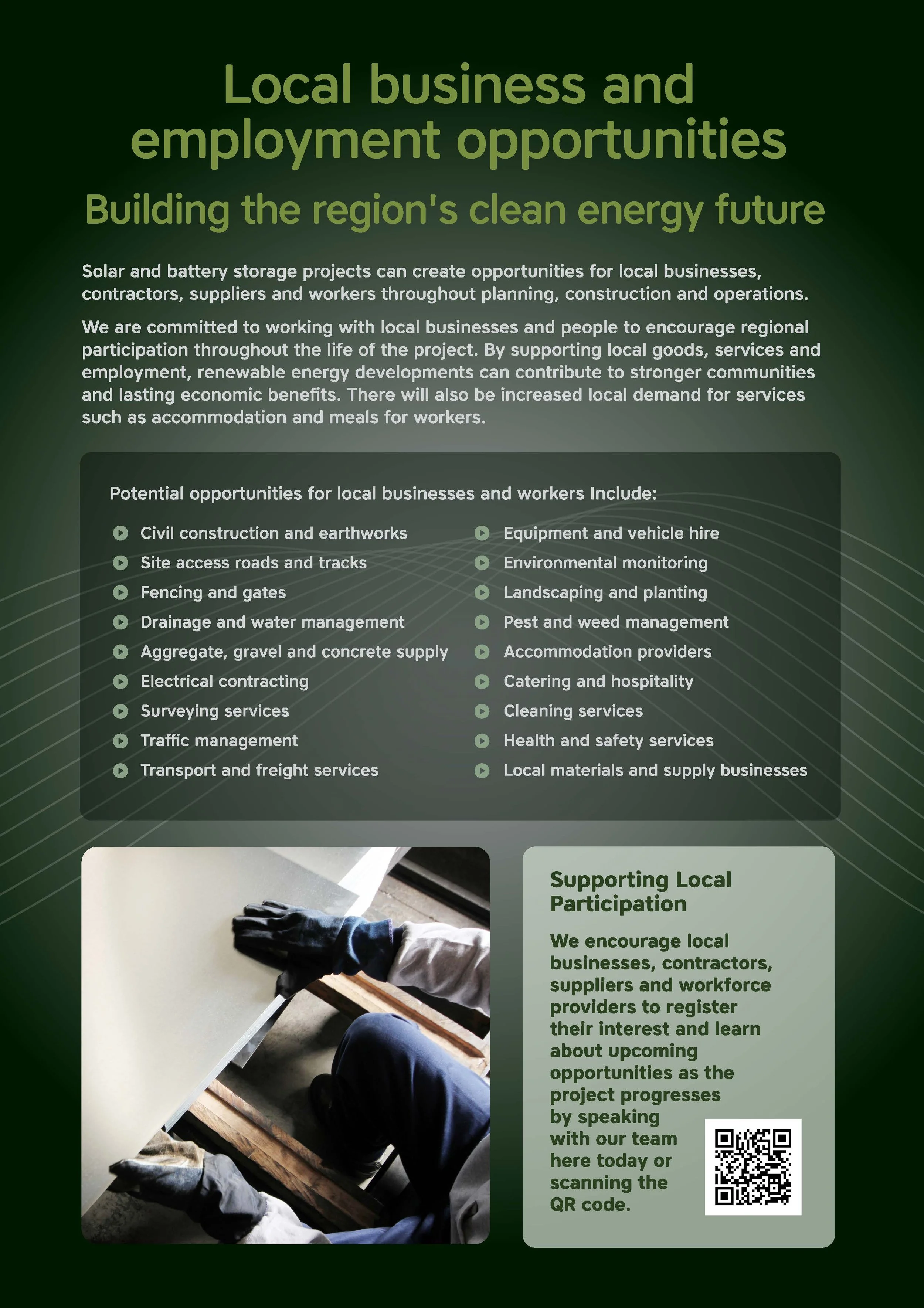
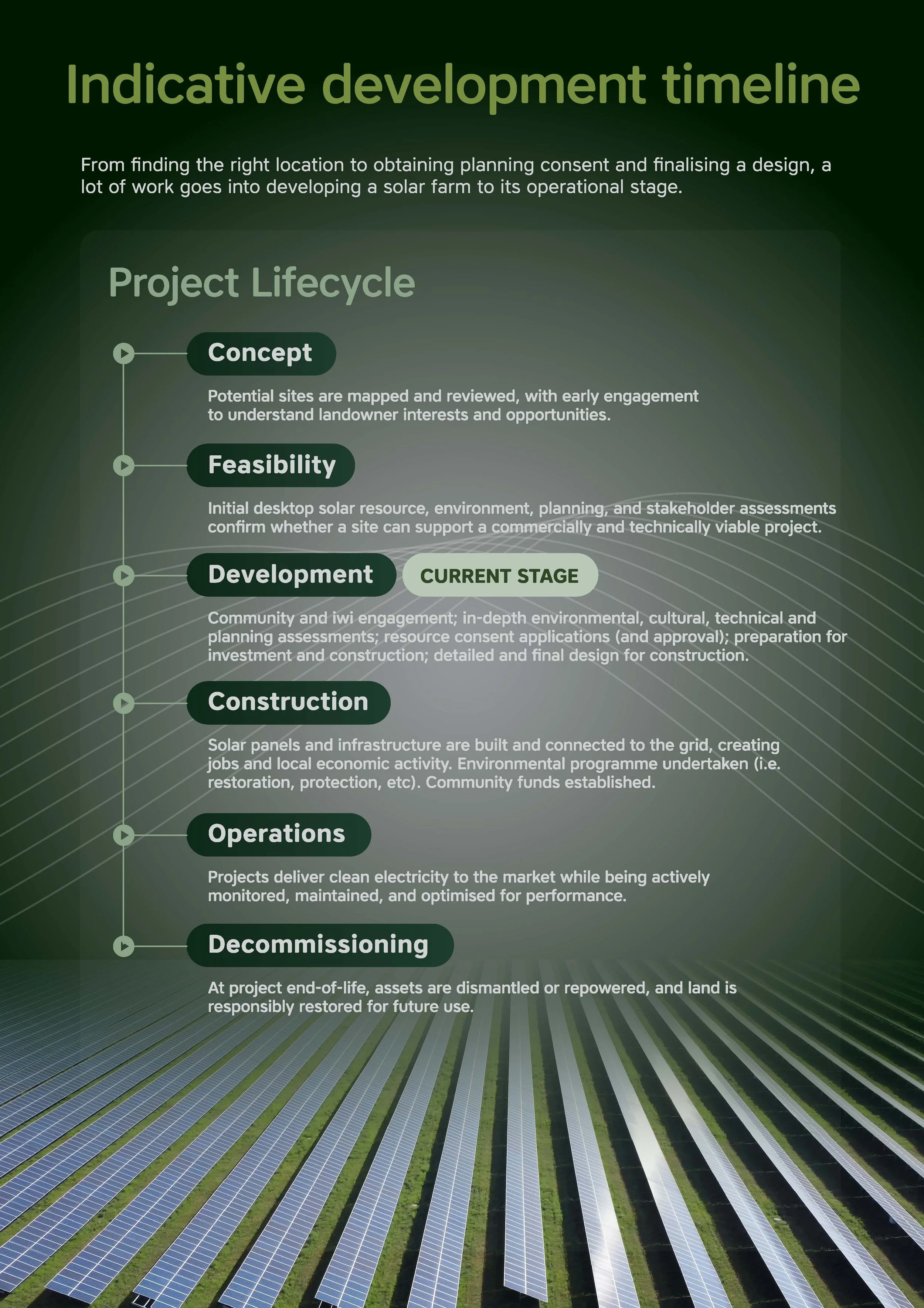
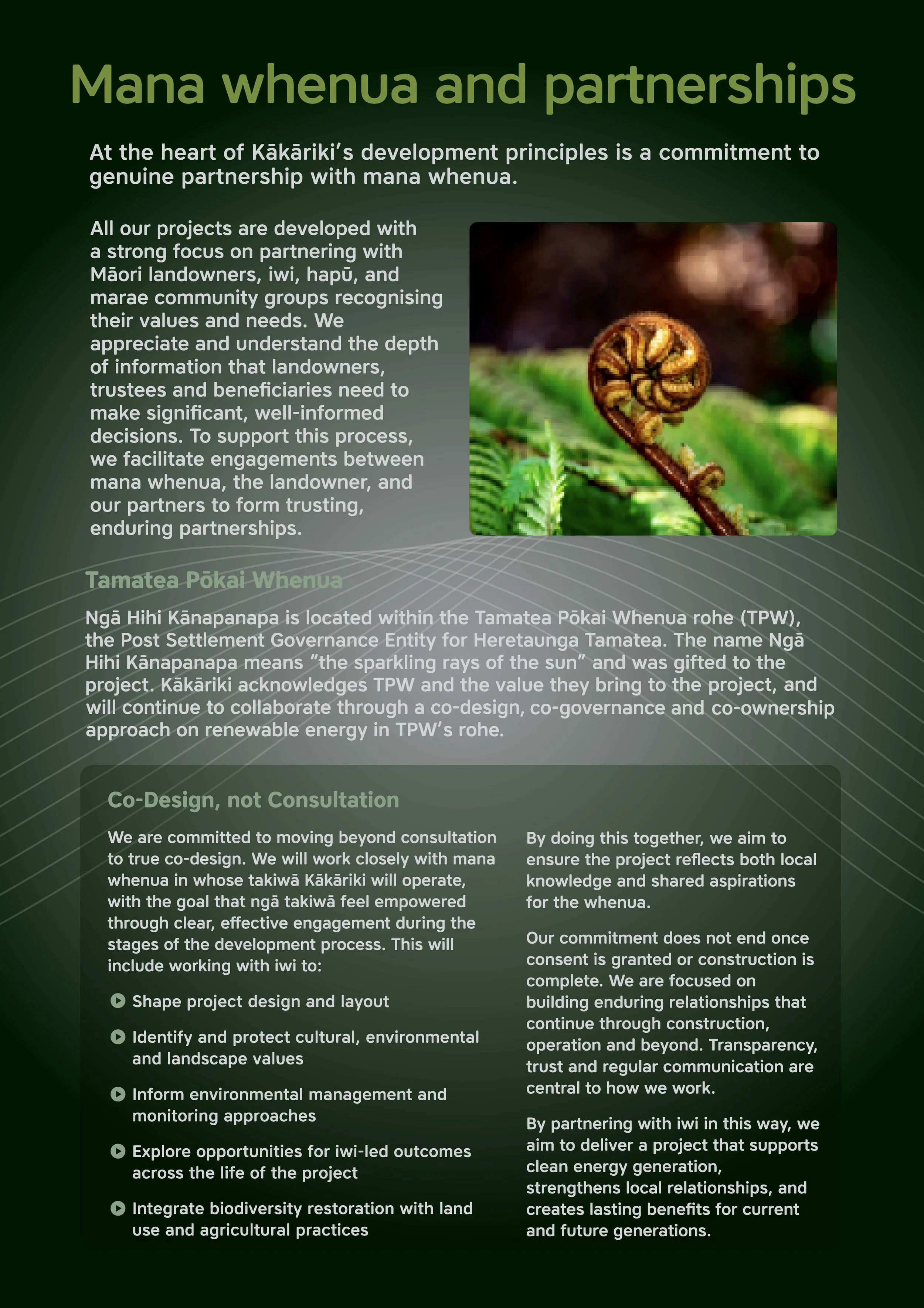
On Thursday 15 October 2026, we held public information sessions for our proposed Ngā Hihi Kānapanapa Solar Farm & Battery Energy Storage System. The sessions were held locally in Tikokino and welcomed neighbours, community members, fire and emergency services, local businesses and environmental stakeholders.
We were pleased to see more than 40 people attend across the sessions, with a wide range of local voices represented. Attendees had the opportunity to meet the project team, view information boards, ask questions, and share feedback about the proposed project and its potential benefits for the region.
Thank you to everyone who took the time to come along, ask thoughtful questions and engage constructively with the project. A big shout out to the wonderful Laura from the Tikokino Hall Committee who was endlessly patient with our requests and incredibly helpful.
If you weren’t able to attend, or have any questions, we’d love to hear from you.
You can:
Get in touch via our Facebook page
Contact us by email
Sign up on our website to receive project updates
In the meantime, please see the Information Boards below that were presented at the sessions.