
Kaukapakapa
Solar Farm
Overview
28,000 homes
Annual energy supply equivalent
137 MWdc
Peak Power
312,876 panels
Powering the project
Kaukapakapa Solar Farm is a clean energy project proposed at Jordan Island, Kaukapakapa – situated about 50kms north-west of Auckland on the magnificent Kaipara Harbour.
The solar farm will provide the region with clean low emission energy to major demand centres. Its strategic location and scale make it a valuable contributor to regional supply, while supporting New Zealand’s energy ambitions to transition to a more secure, affordable, and resilient low-emissions energy future and economy.
The solar farm has also been gifted the name “Kukutango” which honours the site’s cultural and traditional past as an agricultural outpost to cultivate crops like ‘kumara’ and ‘uwhi’ (sweet potatoes and yams). Today the site is known as Jordan Island.
Kaukapakapa Solar Farm will be developed with a strong focus on partnerships with the local farming community, Ngāti Whātua o Kaipara, and local ecological support groups seeking to document and protect the ecological and cultural values and traditions associated with the project site that are important to these communities.
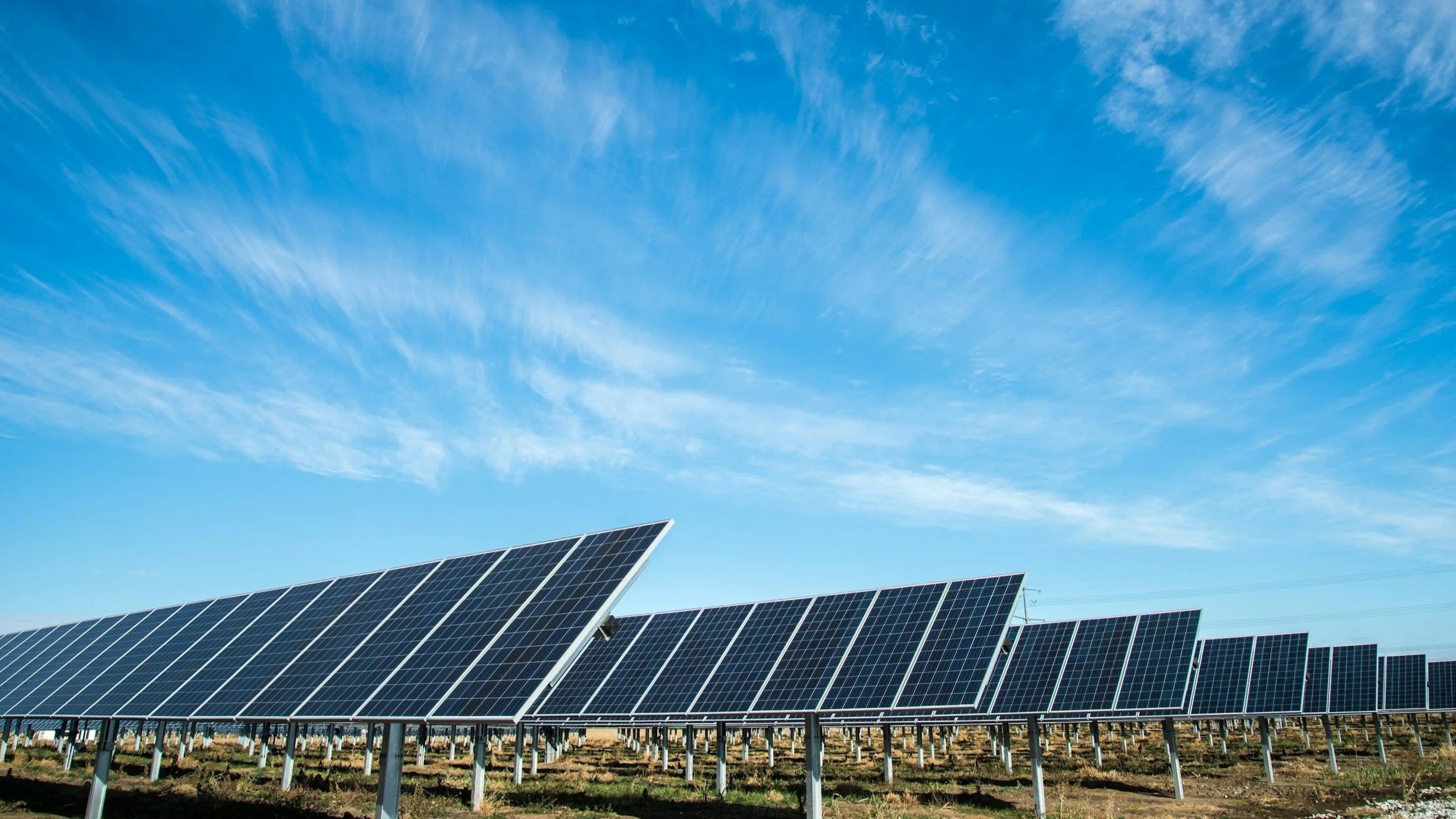
Kaukapakapa Solar Farm is a planned 137-megawatt solar farm spanning 222-hectares at Jordan Island, Kaukapakapa, about 50kms north-west of Auckland.
Strong solar resource: 1,867 kWh/m²/year GHI
Ideal terrain: Flat land, minimal earthworks, national road access
Land classification: LUC Class 3 – arable with to moderate limitations, restrictions to crop types and intensity of cultivation, suitable for cropping, viticulture, berry fruit, pastoralism and tree crops and forestry.
Energy Impact:
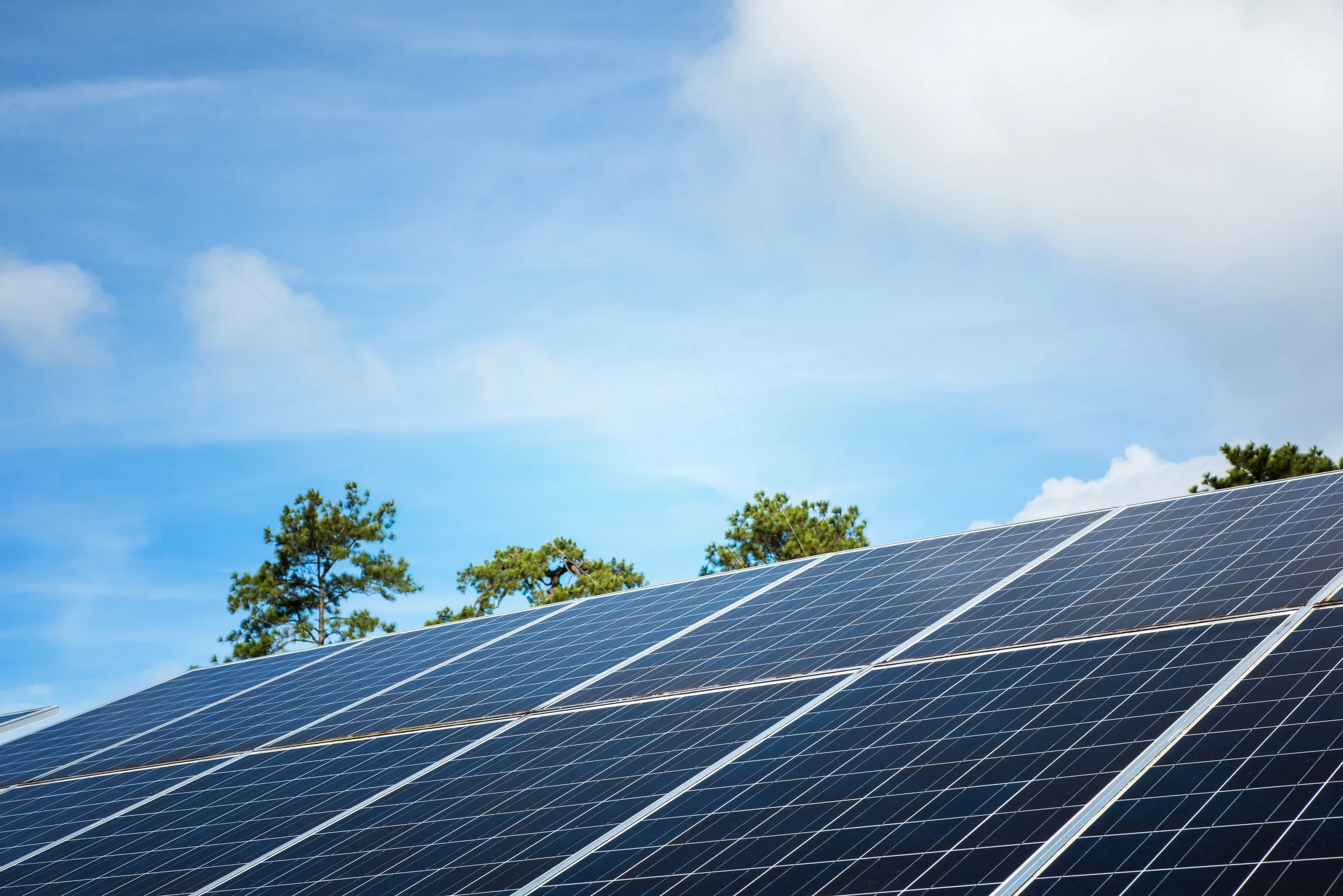
• 312,876 panels generating up to 257.016 GWh/year
• Enough to power up to 28,000 homes across Aotearoa
Kaukapakapa Solar Farm is another great example of Kākāriki Renewable’s commitment to ‘kaitiakitanga’ (environmental stewardship). Ngapuke Point, just to the south of the solar farms site, has been noted as the roosting area in this region for shorebirds.
The unique ecology of the area requires that Kākāriki document and protect the ecological and cultural values and traditions associated with the project site and beyond, including a kaitiakitanga partnership with Ngāi Tahu as the co-hosting iwi of the migratory South Island pied Oystercatcher which migrate there for breeding each spring.
Location